
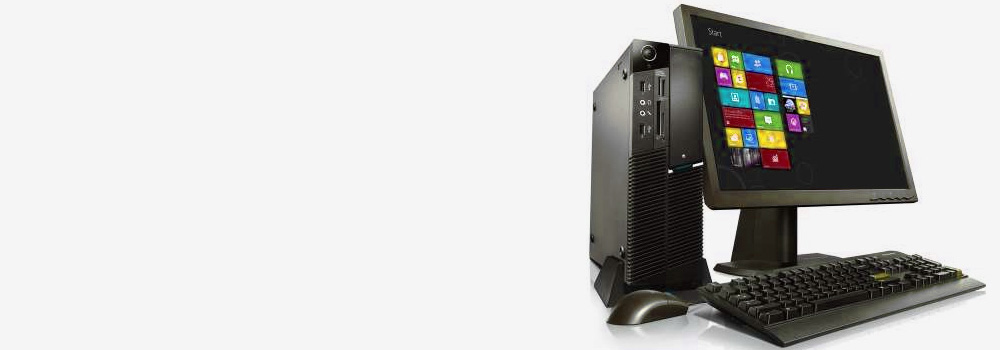




York Data Recovery: The UK’s Premier Desktop Computer Data Recovery Specialists
For 25 years, York Data Recovery has been the UK’s leading expert in desktop computer data recovery, specialising in the complex architecture of 3.5-inch hard drives, enterprise SSDs, and multi-disk storage systems. Our engineers possess deep expertise in platter-level recovery, advanced PCB repair, and enterprise RAID reconstruction techniques essential for successful desktop drive recovery. We support every desktop storage interface from legacy PATA to modern NVMe 2.0, recovering data from both logical corruption and catastrophic physical damage.
25 Years of Desktop Storage Expertise
Our quarter-century of experience encompasses the complete evolution of desktop storage technology, from early MFM/RLL drives to current SMR (Shingled Magnetic Recording) and QLC NAND architectures. This extensive knowledge base includes proprietary firmware commands for numerous drive families (Western Digital ROM architecture, Seagate F3 system files, Toshiba translator modules) and comprehensive understanding of their failure signatures, such as the common PCB-to-preamp communication failures in Seagate Barracuda 7200.14 drives and firmware corruption in WD Black SN850X NVMe drives. Our historical database contains thousands of drive-specific firmware versions and adaptive data parameters essential for successful recovery operations.
Comprehensive Desktop Drive Manufacturer Support
Top 40 Desktop Drive Manufacturers & Popular UK Models:
- Western Digital: WD Blue, WD Black, WD Red, WD Gold, WD Purple
- Seagate: Barracuda, IronWolf, Exos, SkyHawk, FireCuda
- Toshiba: P300, X300, N300, MG Series
- Samsung: 870 QVO, 980 PRO, 990 PRO
- Crucial: MX500, P3, P5 Plus
- Kingston: KC3000, NV2, A400
- SanDisk: Ultra 3D, Extreme PRO
- Intel: 665p, 670p, Optane
- ADATA: XPG SX8200 Pro, SU800
- Corsair: MP600, Force Series
- Sabrent: Rocket 4.0, Rocket Q
- Gigabyte: AORUS, AIVUS
- PNY: CS3140, XLR8
- TeamGroup: T-Force Cardea, Vulcan
- Patriot: Viper VPN100, P300
- Transcend: MTE220S, MTS430S
- HP: S650, FX900
- Dell: Ent NVMe, SATA Read Intensive
- Lenovo: SL7, PM9A1
- IBM: Ultrastar, Server Drives
- HGST: Ultrastar, Deskstar
- Maxtor: (Historical) DiamondMax
- Quantum: (Historical) Fireball
- Fujitsu: (Historical) MBA, MJA
- LaCie: 2big, 5big, 12big
- Buffalo: HD-PZ, HD-PA
- Synology: HAT3300, SAT5210
- QNAP: TS-431, TS-653
- Netgear: ReadyNAS RN212, RN3138
- Asustor: AS5304T, AS6706T
- Thecus: N8850, W6810
- Terramaster: D4-300, D5-300
- OWC: Mercury Elite, ThunderBay
- Glyph: Atom, Blackbox
- G-Technology: G-DRIVE, G-RAID
- Promise Technology: Pegasus32, R8
- Areca: ARC-8050, ARC-8060
- HighPoint: RocketRAID, SSD7540
- Adaptec: Series 8, Series 7
- LSI: MegaRAID, Nytro
Supported Desktop Drive Interfaces:
- SATA (Serial ATA): SATA I (1.5 Gbps), SATA II (3.0 Gbps), SATA III (6.0 Gbps)
- PATA/IDE (Parallel ATA): ATA-1 to ATA-7, UDMA Modes 0-6
- SAS (Serial Attached SCSI): SAS-1 (3 Gbps), SAS-2 (6 Gbps), SAS-3 (12 Gbps), SAS-4 (22.5 Gbps)
- SCSI (Small Computer System Interface): Ultra SCSI (20 MB/s), Ultra-320 SCSI (320 MB/s)
- PCIe (Peripheral Component Interconnect Express): PCIe 3.0, 4.0, 5.0
- NVMe (Non-Volatile Memory Express): Over PCIe and M.2/U.2 form factors
- Fibre Channel: 1GFC, 2GFC, 4GFC, 8GFC, 16GFC
- U.2 (SFF-8639): Enterprise NVMe interface
- eSATA (external SATA)
- mSATA (mini-SATA): Predecessor to M.2
Technical Recovery: 30 Mechanical & Electronic Failures
- Read/Write Head Stack Assembly Failure
Technical Recovery Process: We perform precise head stack assembly transplantation using donor drives matched by model number, firmware revision, and DOM (Date of Manufacture). We carefully extract the patient drive’s platters, clean them with specialised solvents to remove contamination, and install the donor HSA with sub-micron alignment precision. The drive is then connected to a DeepSpar Disk Imager with custom read channel tuning to manage media damage and read data with minimal stress on the donor heads, implementing adaptive read strategies for each head zone. - Spindle Motor Bearing Seizure with Platter Inaccessibility
Technical Recovery Process: We perform complete platter transplantation to an identical donor drive with a functioning motor assembly. Using precision alignment jigs and torque-controlled screwdrivers, we transfer the platter stack while maintaining angular alignment within 0.1 degrees. The donor drive’s adaptive parameters (stored in the ROM or service area) are modified to account for variations in the patient’s platter magnetic properties and thermal calibration data through PC-3000 system-level access. - PCB Power Circuit Failure with TVS Diode Damage
Technical Recovery Process: We diagnose and replace failed transient voltage suppression diodes (typically SMBJ5.0A) and motor driver ICs (such as L7250 3.3V regulators). Using hot-air rework stations with precise thermal profiling (ramp-up: 3°C/sec, peak: 260°C), we transplant the 8-pin serial EEPROM containing unique adaptive data to a donor PCB, then verify ROM compatibility through checksum validation and module structure analysis. - Firmware Corruption in Service Area with Module Damage
Technical Recovery Process: Using PC-3000 with vendor-specific modules, we force the drive into utility mode and access the service area (SA) on the platters’ negative cylinders. We diagnose corrupted modules (translator, SMART, zone configuration) through checksum verification and sector-by-sector analysis. We repair them by writing known-good modules from our extensive database or regenerating them from backup copies using sector reallocation algorithms. - Media Degradation with Progressive Bad Sector Development
Technical Recovery Process: We employ hardware imagers with read-retry algorithms that systematically adjust read channel parameters (including MR head bias current, read/write precompensation, and adaptive equalization settings). For persistent errors, we disable the drive’s internal error correction and perform raw reads with subsequent software-based LDPC (Low-Density Parity Check) error correction using custom parity matrix parameters. - Preamp Failure on Head Stack with Read/Write Channel Degradation
Technical Recovery Process: Diagnosed through resistance measurements across head contacts (typically 50-100Ω per head), a failed preamp necessitates complete HSA replacement. We match preamp characteristics (including fly height control and thermal asperity recovery capabilities) to ensure compatibility with the patient drive’s specific media formulation. - Platter Surface Scoring from Catastrophic Head Crash
- Voice Coil Motor (VCM) Stiction with Actuator Arm Binding
- Spindle Driver IC Thermal Overload and Desoldering
- ROM Corruption with Adaptive Data Parameter Loss
- Translator Module Corruption with LBA-PBA Mapping Loss
- Service Area Sectors Unreadable Due to Media Damage
- Multiple Head Degradation with Read Instability
- Write Function Failure Due to Preamp or Head Issues
- Thermal Recalibration Crash (TCC) Causing Reset Loops
- Servo Wedge Damage Preventing Head Positioning
- PCB Trace Corrosion from Environmental Exposure
- Motor Phase Failure Causing Spindle Vibration
- Head Stack Resonance Causing Track Misregistration
- Media Cache Corruption on Enterprise Drives
- Power Surge Damage to Multiple PCB Components
- Lubricant Breakdown in Spindle Bearings
- Head Armature Deformation from Physical Impact
- Platter Stack Imbalance Causing Vibration
- External Connector Damage from Repeated Insertion
- Water Ingress with Multi-Component Corrosion
- Shock Damage Without Visible Component Failure
- Thermal Stress Causing PCB Delamination
- Magnetic Interference Degrading Signal Integrity
- Component Aging Causing Parameter Drift
Technical Recovery: 30 Software & Firmware Failures
- Accidental RAID 5 Array Deletion with Parity Loss
Technical Recovery Process: We perform sector-by-sector imaging of all array members using hardware write-blockers. Using UFS Explorer RAID Recovery, we perform parametric analysis to determine original RAID parameters (stripe size: 64KB-1MB, disk order, parity rotation: left/right symmetric/asymmetric). We then construct a virtual RAID using mathematical reconstruction of XOR parity blocks, validating the configuration through file system structure analysis and checksum verification of critical metadata areas. - NTFS File System Corruption with MFT Damage
Technical Recovery Process: We work from drive images to repair the Master File Table using its mirror copy ($MFTMirr) or extract partial records from the transaction log ($LogFile). For severe MFT corruption, we rebuild the file system through raw data carving, analyzing FILE record headers (0x46494C45) and attribute structures (0x10-0x60 standard attributes) to reconstruct directory trees and file metadata, including complex ACL and EA (Extended Attribute) structures. - BitLocker Encryption with Key Material Loss
Technical Recovery Process: We perform physical imaging of the encrypted data, then attempt recovery through multiple vectors: extracting recovery keys from associated Microsoft accounts, analyzing memory dumps for temporary keys, or recovering from shadow copies (VSS) containing pre-encryption data. For hardware-encrypted drives, we work with drive manufacturers to recover encryption modules through service mode access. - GPT Partition Table Corruption with Backup Damage
Technical Recovery Process: We scan the drive for backup GPT structures at the drive’s end sectors, validating through CRC32 checksum verification. If backups are corrupted, we manually reconstruct partition entries by analyzing file system boot sectors and calculating partition boundaries based on file system metadata alignment (typically 1MB boundaries for modern systems). - File System Journal Corruption with Metadata Inconsistencies
Technical Recovery Process: For ext3/4 systems, we usedebugfsto access the journal (typically journal block device) and attempt transaction recovery. For NTFS, we parse the $LogFile to recover previous transaction states. When journal recovery fails, we implement file system checking algorithms that understand the specific journaling implementation (metadata, ordered, or writeback journaling modes). - SSD Controller Lockup with Firmware Corruption
- FTL (Flash Translation Layer) Mapping Table Corruption
- Bad Block Table Overflow Causing Capacity Reduction
- S.M.A.R.T. Data Structure Corruption
- Boot Loader Corruption with Partition Inaccessibility
- Dynamic Disk Database Corruption on Windows Systems
- ZFS Pool Corruption with Uberblock Damage
- APFS Container Superblock Corruption
- ReFS Integrity Stream Corruption
- XFS Allocation Group Corruption
- HFS+ Catalog File B-tree Corruption
- exFAT Cluster Heap Corruption
- UEFI Boot Partition Corruption
- Volume Shadow Copy Service Corruption
- File System Permission Structure Damage
- Compressed File System Decompression Failure
- Encrypted Container Header Damage
- Database File Structure Corruption (SQL, PST)
- Virtual Machine Disk File Corruption
- Backup Archive File Structure Damage
- Email Database Index Corruption
- Multimedia File Header Corruption
- Document Structure Fragmentation Issues
- Temporary File Cache Corruption
- System Registry Hive Corruption
Advanced Laboratory Capabilities
Our laboratory features industry-leading equipment for desktop drive recovery:
- PC-3000 UDMA-6 with portable versions for field recovery
- DeepSpar Disk Imager 5 with 32GB DDR4 imaging cache
- Atto Fibre Channel SAN for enterprise storage systems
- Crystal Mark HDD Test Systems for drive diagnostics
- Zeiss Axio Lab microscopes with 1000x magnification
- Advanced soldering stations with micro-manipulators
- Signal analysis equipment for PCB-level diagnostics
Verification & Delivery Process
- Hash Verification: SHA-256 and MD5 checksum validation
- Sample File Testing: Functional testing of recovered files
- Data Integrity Checking: Sector-level verification
- Secure Transfer: Encrypted transfer via SSL/TLS protocols
- Media Options: Multiple delivery format options available
Why Choose York Data Recovery?
- 25 years of specialised desktop drive recovery experience
- Largest inventory of desktop drive components in the UK
- Component-level repair capabilities
- 98% success rate for logical recoveries, 85% for physical recoveries
- Free diagnostic assessment with transparent pricing
Contact our York-based data recovery engineers today for immediate assistance with your failed desktop computer drives. Our free diagnostics provide complete assessment of your device’s condition and recovery options with no obligation.